St. Helena Island: A Remote South Atlantic Gem Steeped in History

Hidden in the vast South Atlantic Ocean, roughly halfway between South America and Africa, St. Helena is one of the world's most isolated inhabited islands. Despite its small size and remote location, this British Overseas Territory has played an extraordinary role in world history. From serving as an important stopover for sailing ships to becoming the final home of Napoleon Bonaparte and housing thousands of Boer prisoners during the Anglo-Boer War, St. Helena offers visitors a fascinating journey through centuries of global history.
Where is St. Helena?
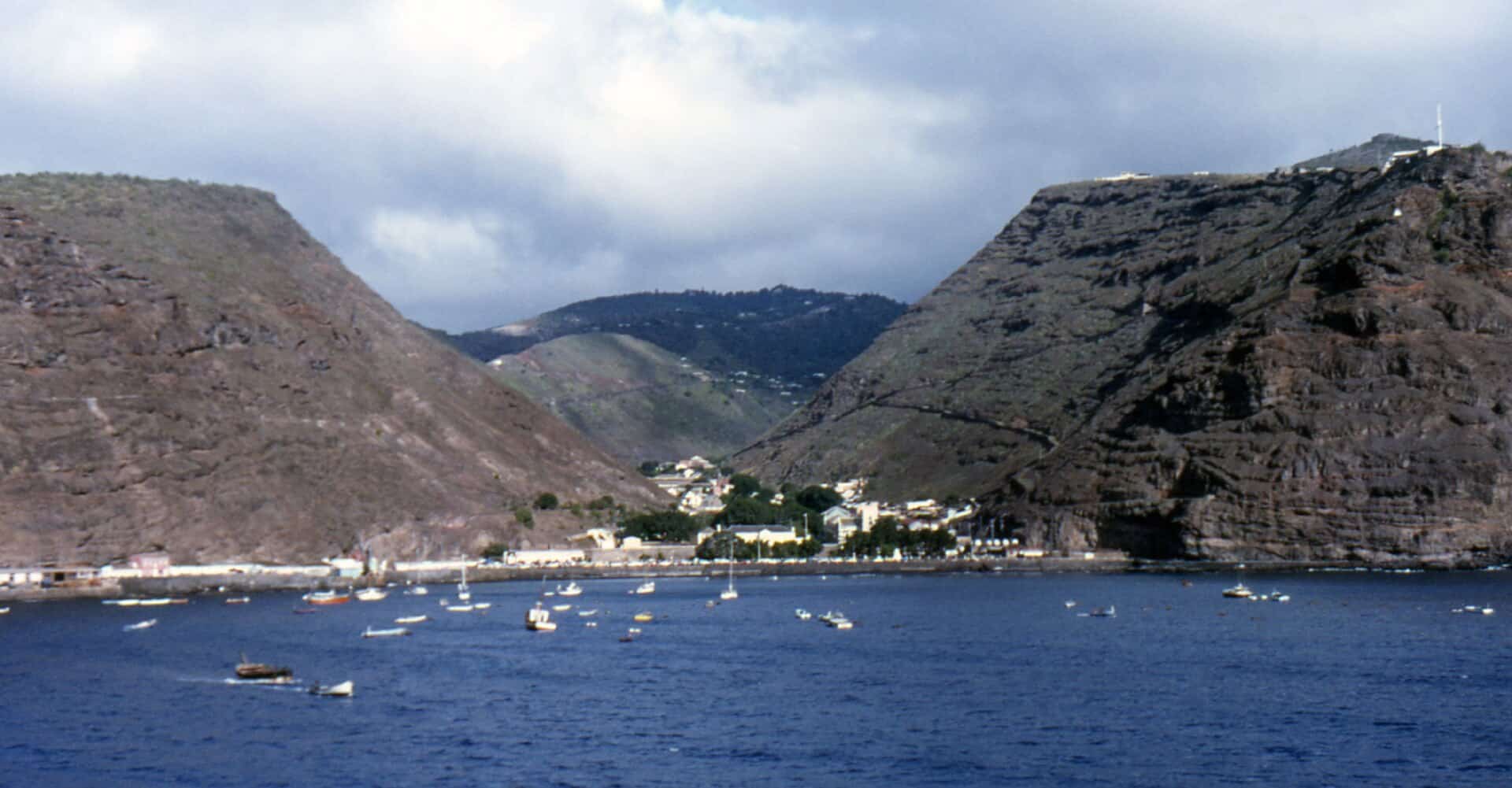
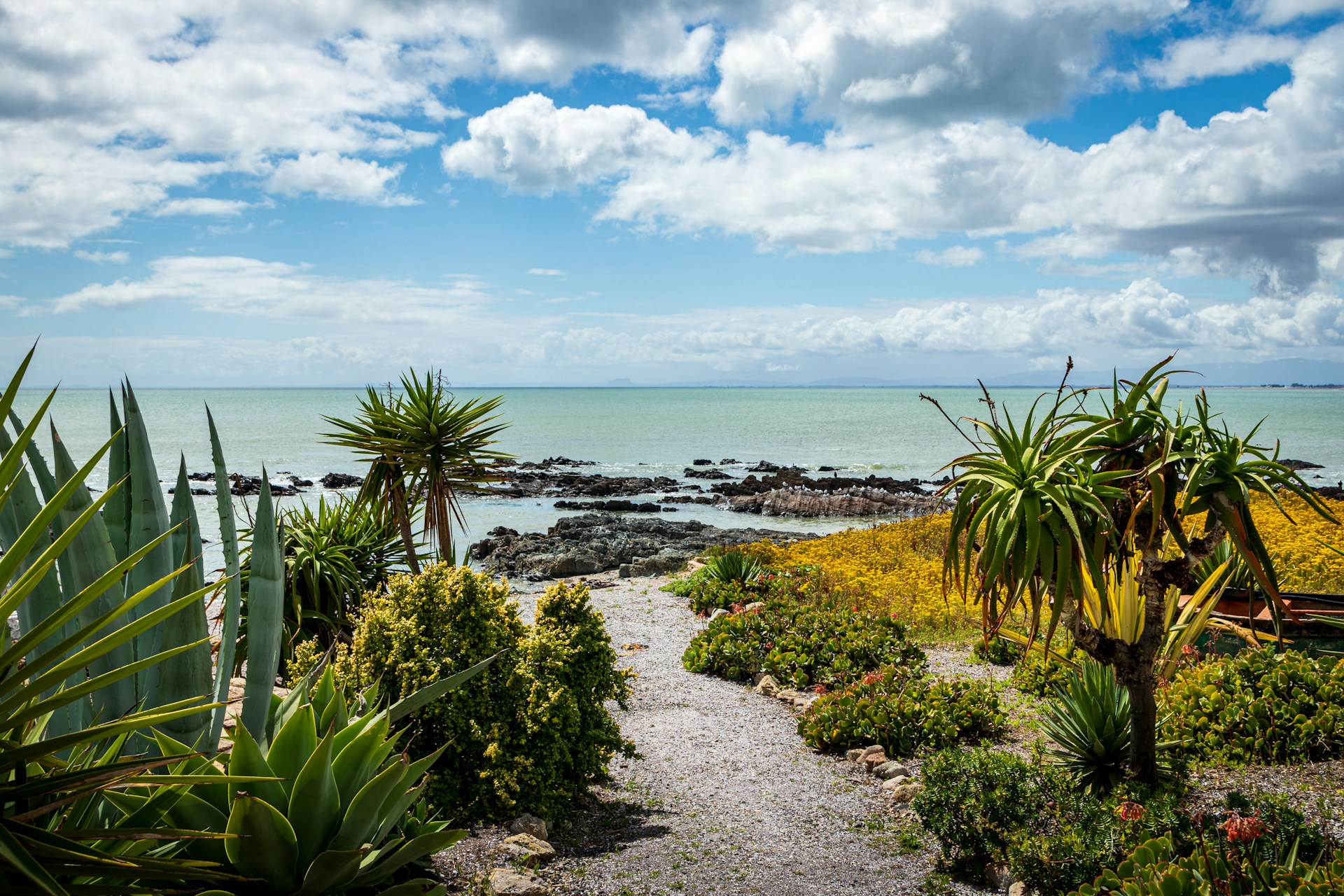
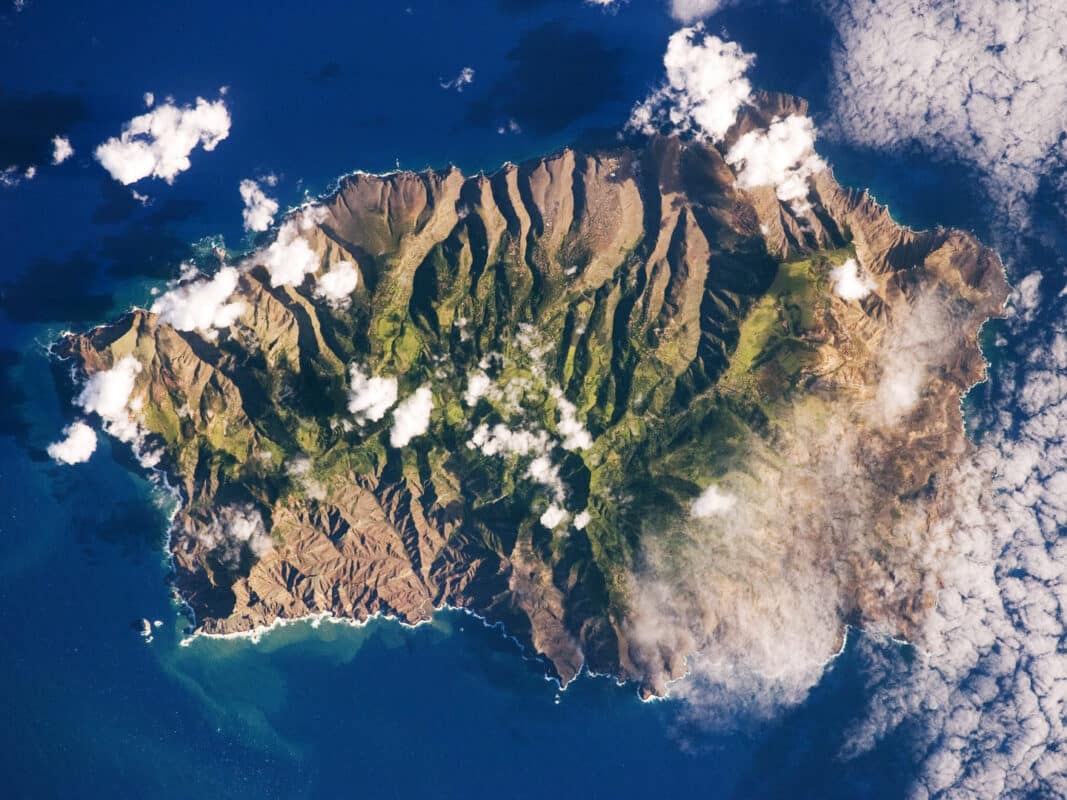
St. Helena lies approximately 1,950 km west of Angola and 2,900 km east of Brazil, making it one of the most remote islands on Earth. Surrounded by dramatic volcanic cliffs and crystal-clear Atlantic waters, the island covers just 122 square kilometres, yet its landscapes range from lush green highlands to rugged coastlines and volcanic valleys.
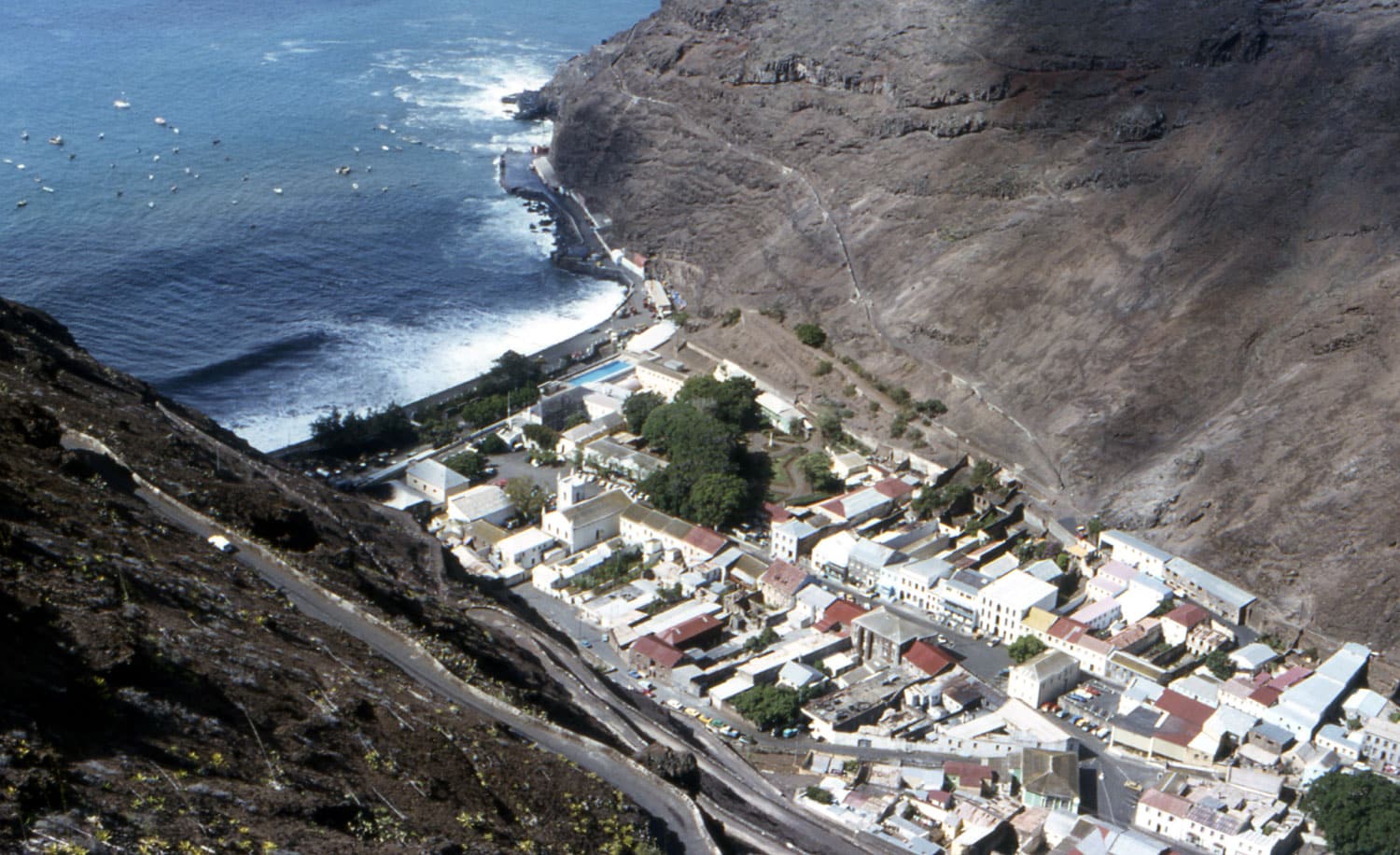
The island's capital, Jamestown, nestles in a narrow valley between towering cliffs and remains one of the most picturesque settlements in the South Atlantic.
Discovery of St. Helena
The island was discovered in 1502 by Portuguese navigator João da Nova during a voyage to India. At the time, St. Helena was completely uninhabited.
The Portuguese recognised its value as a convenient watering and provisioning stop for ships travelling between Europe and Asia. Although they built no permanent settlements, they introduced fruit trees, vegetables, and livestock to support passing vessels.
For more than a century, the island remained a secret haven for Portuguese ships navigating the long sea route around the Cape of Good Hope.
British Settlement and Colonial Importance
In 1659, the British East India Company established the first permanent settlement on St. Helena. They constructed a fort and founded Jamestown, named after James, Duke of York, who later became King James II of England.
During the age of sail, St. Helena became one of the most important resupply stations in the world. Ships travelling between Britain, India, southern Africa, and the Far East relied on the island for fresh water, food, and repairs before continuing their long voyages.
Its strategic position in the South Atlantic made it a valuable British possession for centuries.

Napoleon Bonaparte's Final Exile
Perhaps the most famous chapter in St. Helena's history began after the Battle of Waterloo in 1815.
Following his final defeat, Napoleon Bonaparte was exiled to St. Helena by the British, who believed its isolation would prevent any possibility of escape.
Napoleon spent the last six years of his life at Longwood House, living under constant British supervision. He died there in 1821 and was buried in a peaceful valley on the island.
In 1840, France received permission to return his remains to Paris, where they now rest beneath the magnificent dome of Les Invalides. His original grave on St. Helena remains one of the island's most visited historic sites.
Today, visitors can explore both Longwood House and Napoleon's Tomb, offering a remarkable glimpse into one of history's most famous exiles.
St. Helena and the Anglo-Boer War
St. Helena also shares an important connection with South African history.
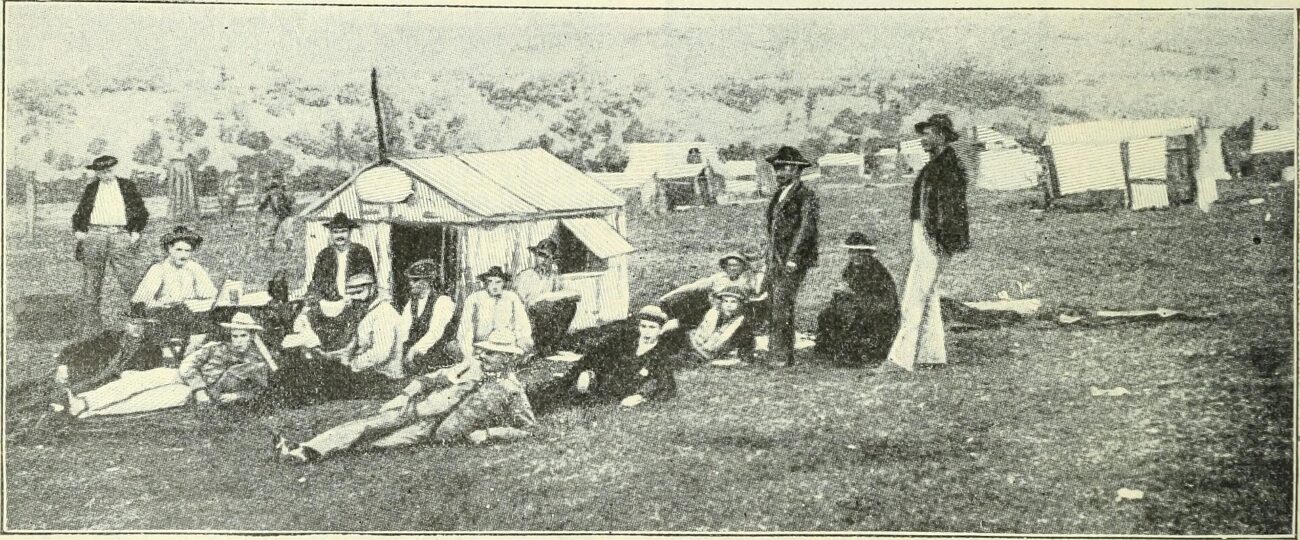
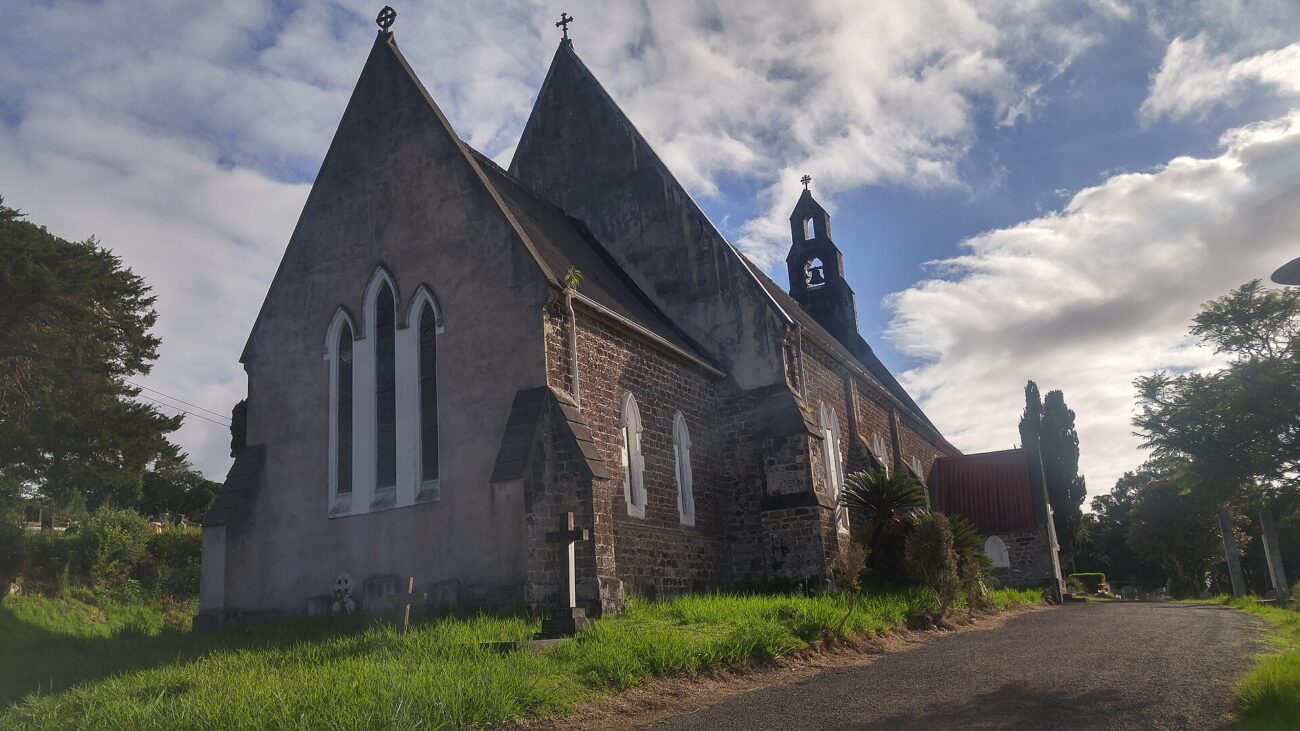
During the Anglo-Boer War (1899–1902), the British used the island as a prisoner-of-war camp. Between 5,000 and 6,000 Boer prisoners were transported across the Atlantic and detained mainly at Broad Bottom and Deadwood Plain.
Life on the island was far from what many people might imagine. Prisoners established schools, printed their own newspapers, organised church services, participated in sports, and created a surprisingly active community despite their captivity.
When the war ended, the prisoners returned to South Africa. Today, Boer graves, memorials, and historical sites remain as moving reminders of this significant chapter shared by both nations.
Decline of a Strategic Island
For centuries, St. Helena thrived because sailing ships depended on its location.
However, the opening of the Suez Canal in 1869 dramatically changed global shipping routes. Vessels travelling between Europe and Asia no longer needed to sail around southern Africa, reducing the island's importance as a resupply station.
Although its strategic significance declined, St. Helena continued as a British territory and developed into a peaceful island community.
Modern St. Helena
Today, St. Helena is a British Overseas Territory.
The British monarch serves as Head of State, while a Governor appointed by the Crown oversees government alongside a 15-seat Legislative Council, which manages local affairs.
The island has a population of approximately 7,000 people, with English as the official language and an impressive literacy rate of around 97%.
The economy relies heavily on financial support from the United Kingdom, while local industries include:
- Fishing
- Small-scale farming
- Tourism
- Handicrafts
- Coffee production
One of the biggest milestones in the island's recent history came in 2017, when St. Helena Airport opened. Before then, the island was accessible almost exclusively by sea, with visitors often spending several days travelling aboard the RMS St. Helena.
The airport has made travel significantly easier, opening the island to more visitors than ever before.
Wildlife and Natural Beauty
Despite its small size, St. Helena is internationally recognised for its remarkable biodiversity.
The island is home to over 40 endemic plant species found nowhere else on Earth. Conservation efforts continue to protect these rare ecosystems.
Marine life is equally impressive. Visitors may encounter:
- Green sea turtles
- Whale sharks (seasonally)
- Dolphins
- Numerous tropical fish species
The island also supports important breeding colonies of seabirds, including the Sooty Tern, while its dramatic cliffs provide spectacular birdwatching opportunities.
For nature lovers, hikers, photographers, and divers, St. Helena offers experiences unlike anywhere else in the South Atlantic.
Culture and Daily Life
Life on St. Helena moves at a relaxed pace.
Residents, affectionately known as "Saints," are renowned for their friendliness and strong sense of community. British traditions blend with influences from Africa, Asia, and Europe, creating a unique island culture.
The island's primary local newspaper, the St. Helena Herald, has served the community since 2001, replacing the former government publication.
Why Visit St. Helena?
St. Helena is not a destination for crowds, shopping malls, or busy resorts. Instead, it rewards travellers seeking history, breathtaking scenery, unique wildlife, and authentic island life.
Whether you're exploring Napoleon's final residence, walking through Boer War history, hiking volcanic landscapes, or diving in crystal-clear Atlantic waters, St. Helena offers an unforgettable experience unlike any other destination.
For South African travellers in particular, the island's shared Boer War heritage adds an especially meaningful connection, making it far more than simply another island getaway.
St. Helena may be one of the world's most remote islands,
but its impact on global history is remarkable. From Portuguese explorers and British colonial expansion to Napoleon's exile and the Anglo-Boer War, this tiny island has witnessed events that shaped nations.
Today, improved air access, rich heritage, exceptional biodiversity, and warm island hospitality make St. Helena an increasingly attractive destination for adventurous travellers looking to discover one of the South Atlantic's best-kept secrets.